

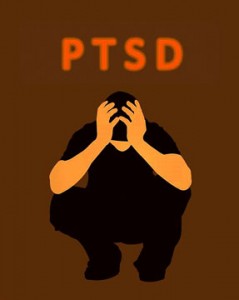
 PTSD, or post-traumatic stress disorder, is an anxiety problem that develops in some people after extremely traumatic events, such as combat, crime, an accident or natural disaster, according to the American Psychological Association. (1) PTSD is often acted out through nightmares, hypervigilance, flashbacks, anger, or depression and can often complicate close relationships like families.
According to the American Psychological Association (APA), PTSD is considered one of the mental health conditions most likely to lead to relationship problems (2) but families can find hope in learning new ways to cope.
- Stress management skills. Families should take the time to learn stress management skills. These skills may include eating healthy, getting active, allowing for alone time, getting adequate sleep, and establishing necessary support. By learning these skills as a family you can help one another along the way.
- Realizing everyone is impacted. In most scenarios, one family member, often mom or dad, is diagnosed with PTSD- not the entire family. But this does not mean that others are not affected too. In fact, the APA stresses that everyone in the family is affected by PTSD even if it’s not apparent at first or some members aren’t as quick to show it.
- Everyone processes trauma differently. Like with many emotions, there are a variety of ways to process trauma. Not everyone will react in the same way as you. Realizing this will help you understand one another and in return, be able to offer help when needed. Just because someone doesn’t handle trauma in the same way you do, does not mean they aren’t experiencing affects.
- Establishing a universal plan. Together, families need to establish a plan. How are you going to address the event to outside family and friends? Especially for emotional traumas such as rape or abuse, this step can be important to healthy coping. Establish a universal plan that everyone agrees with.
To families experiencing it, PTSD is so much more than a stress disorder. It’s a mental illness that threatens to tear their family apart. By turning to each other to cope instead of trying to tackle extreme traumas individually you can better help lessen the relationship effects of PTSD. Coping with PTSD as a family means learning stress management skills, realizing everyone is impacted and processes trauma differently, and establishing a universal plan. Together you can cope, conquer, and thrive as a family despite PTSD.
Mark D. Parisi, Psy.D. & Associates, P.C. provides counseling, psychological testing, and psychotropic medication management in Mount Prospect and Chicago – serving surrounding Cook, Lake, DuPage, and Will Counties. They accept most insurance and offer extremely affordable sliding scale rates. Call (847) 909-9858 for a free, no-obligation telephone consultation.
###
Sources:
- Post-Traumatic Stress Disorder, Definition of PTSD, 2015, http://www.apa.org/topics/ptsd/index.aspx
- Helping Families Cope with PTSD, Relationship impact of PTST, 2015, http://www.apa.org/monitor/jan08/helping.aspx
 Today, chronic stress- stress that interferes with your ability to function normally over an extended period- is becoming a public health crisis, according to the American Psychological Association (APA). (1) Caused by a variety of triggers such as money, work, the economy, job stability, personal health, and even family responsibilities, stress is wreaking havoc in the lives of most Americans these days. But what can we do to better cope?
 Families all around the world embrace animals such as cats, dogs, fish, and gerbils- just to name a few. They welcome these small or large critters into their home because they make them happy and offer companionship. They teach children responsibility and friendship. But did you know pets can also do the same for inmates?
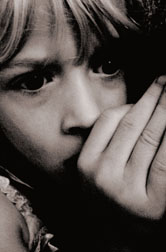 It’s unfortunate today, how tragedy has become such a routine part of our lives. Whether on a small scale, such as the death of a loved one or on a national scale with the influx of terrorism, tragedy is hitting home far more frequently than ever before in our history. We would be gullible to believe these tragedies aren’t affecting our children too.
 While many of us are fully aware of how weather has the ability to affect our physical health, the majority of people today are completely ignorant of the affects weather can have on our mental health. Rain or shine, hot or cold, tornado or hurricane- weather can have a dominating effect on the way we feel and translate the world around us.
 About one in 100 Americans are diagnosed with schizophrenia, a treatable serious mental illness that affects a person’s thoughts, feelings, mood, and overall functioning according to the American Psychological Association (APA). (1) With statistics like that, it’s a wonder why the mass public isn’t more educated about schizophrenia.
 According to the key findings of the American Psychological Association (APA), there are 2 terrible truths about stress today (1). To help you better understand these truths and in return your own personal stress, here’s more.
 Between televisions, video games, tablets, computers, and smartphones children today are bombarded with an overwhelming supply of screen technology but is all the screen time weighing too heavily on your child? In 2013 the average 8 to 10-year-old spent nearly 8 hours every day with a variety of different media, and teenagers spent eleven or more hours per day, according to the American Academy of Pediatrics (AAP).(1). Yikes!
 We see hideous crimes committed regularly in society. There is almost always something horrific in the news that you would think, “Clearly that person must be insane to commit such a horrible crime against humanity.” And so, we watch as they choose to plea insanity. Now, the significance of proving insanity in the court room is that if you are deemed insane you are no longer eligible for the death penalty and cannot be held responsible for your actions in the same way a sane person would be, according to the U.S. Criminal Resource Manual. (1) An obvious draw for completely sane people to want to fake a mental illness, right?
 “Sleep is essential for health and well-being,” according to the American Psychological Association (APA). (1)Especially in your teenage years, the amount of sleep you receive each night is affecting you either positively or negatively. If you are someone who either doesn’t get quite enough sleep or more seriously- struggles with sleep deprivation, odds are you are reaping more of the negative effects.